
Reviewed · WALKING TOURS
Porto and Gaia: Walking Tour of Douro’s Two Riversides
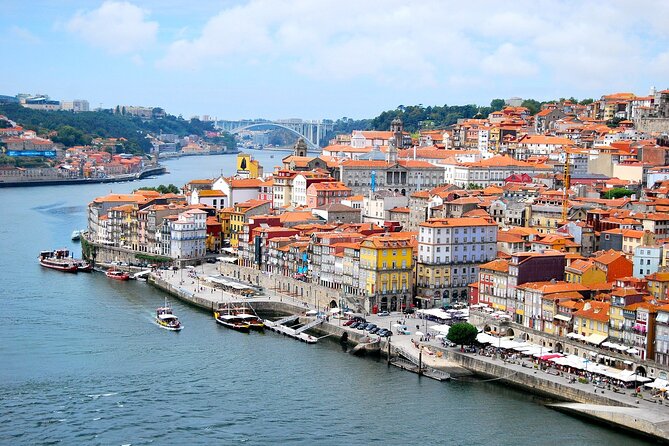
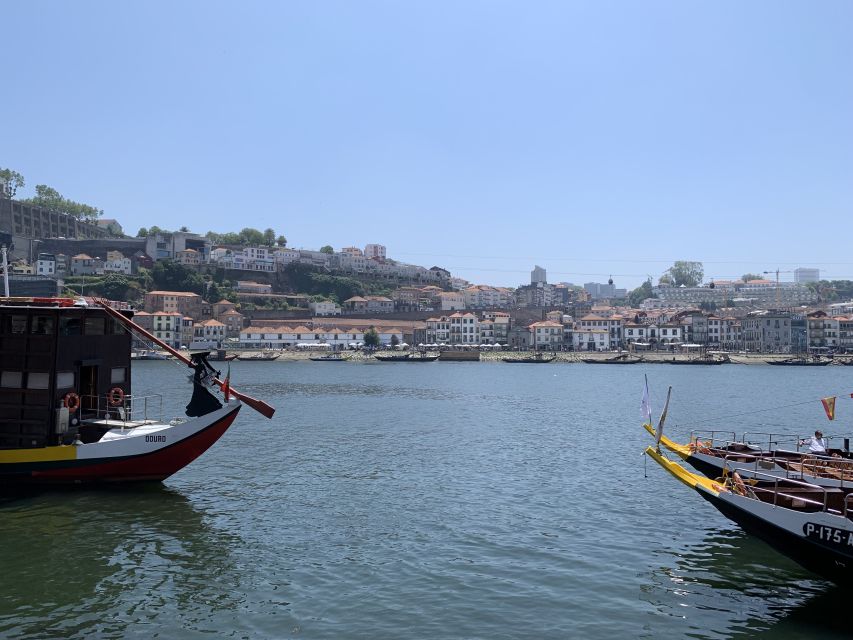
Henrique the Navigator ties the Douro to world history. This 2-hour route pairs big-name monuments with street-level neighborhoods, plus modern urban art that keeps Porto feeling current. I really like the way the tour builds a clear theme, two riverbanks, one connected city, and I also like the small group size that makes questions easy. The only real drawback is the walking, so plan on cobblestones and some uphill bits.
You start where Porto’s global story begins, then you move through the oldest parts of town before crossing to Gaia on foot. Along the way, you get a mix of what you can see right away, like the Porto Stock Exchange and the Church of Saint Francis, and what you feel in the details, like how the Douro River shaped daily life. If you want a relaxed stroll with lots of sitting and no stairs, this might not match your pace.
Still, at $32 per person for about 2 hours, it’s strong value if your goal is to get oriented fast, see the key highlights, and understand why the city looks and feels the way it does. And one recent guide experience stood out: Eric was praised as one of the best guides, and people loved how the tour felt different, with Eric’s storytelling winning real recommendations.
In This Review
- Key Things That Make This Tour Worth Your Time
- Henry the Navigator Square, Porto Stock Exchange, and the Age of Discoveries
- A practical note on pacing
- Church Bells to Old Streets: Saint Francis to Ribeira and Barredo
- Alminhas and Dom Luis Bridge, the Moment Porto Becomes Two
- Gaia’s Wine Cellar Vibe, Serra do Pilar UNESCO, and Historic Convento Views
- No winery visit, but you still leave with clarity
- Port Wine Context You Can Use Later, Even Without a Tasting
- Price, Time, and What You Actually Get in 2 Hours
- Booking Smarts: Meeting Point to Finish, and How to Plan Your Day
- Should You Book This Porto and Gaia Two-Riversides Tour?
- FAQ
- How long is the Porto and Gaia walking tour?
- What does the tour cost?
- Where do I meet the guide?
- Where does the tour finish?
- What is included in the price?
- Is food or drinks included?
- Does the tour visit a winery?
- Is this tour suitable for wheelchair users?
- What languages is the tour offered in?
Key Things That Make This Tour Worth Your Time
- Henry the Navigator focus, starting at the square tied to Portugal’s Age of Discoveries
- Old Porto neighborhoods on purpose, not just photo stops
- Medieval Porto details, including walls, gates, customs, and the Douro River’s role
- One-foot crossing to Gaia, with a full feel for how the river connects the towns
- Modern urban art plus historic religious sites, including the Half Rabbit sculpture and Convento de Corpus Christi
- Port wine context without a winery visit, so you understand what people are talking about later
Henry the Navigator Square, Porto Stock Exchange, and the Age of Discoveries
The tour starts at the Jardim do Infante Dom Henrique, at the foot of the statue with the blue umbrella. This matters because the whole walk is built around one idea, how Portugal’s earliest global ambitions grew out of this city. You begin with Henry the Navigator, also called the Infante of Sagres, and the guide frames him as both a local icon and a turning point for Portugal.
From there, the route makes a smart jump to the Palacio da Bolsa, the Porto Stock Exchange. It’s not a typical “financial building” stop for a walking tour, but it works because it ties power and trade to the same waterways that fueled Portuguese influence. You get a short guided visit, enough to understand what you’re looking at without eating up your two hours.
Next comes the Monument Church of Saint Francis, one of Portugal’s most beautiful churches. This is one of the places where the tour timing helps you. You get the human-scale experience of standing inside and taking in the church’s impact, but you are not stuck there long enough to lose the momentum of the day.
Then the stop at Casa do Infante rounds out the Henry theme. Even if you’re not a history person, it gives you an anchor. You’re walking through a part of Porto where the story of a nation and the story of a city share the same starting line.
Other ways to explore the Douro
- Porto: Port and Douro Wine Walking Tour with 9 Tastings★ 4.7 · 926 reviews
- Porto: Port and Douro Wine Walking Tour With 9 Wine Tastings★ 4.5 · 500 reviews
- Porto and Gaia: Walking Tour of Douro’s Two Riversides★ 5.0 · 15 reviews
A practical note on pacing
Each big site is handled in a guided window of about 15 minutes, so you should expect concise storytelling and clear highlights rather than slow, museum-style wandering. If you like to linger, you’ll probably want to add extra time later on the stops that grab you most.
Church Bells to Old Streets: Saint Francis to Ribeira and Barredo
After the grand landmarks, the tour shifts gears into Porto’s everyday historic core, especially Ribeira and Barredo, two of the city’s oldest neighborhoods. This is where I think most people get their “now I get it” moment. You can see the charm right away, but the guide also explains how these streets formed, how customs worked, and how the city’s relationship with the Douro River shaped daily life.
The route also calls attention to what you can feel happening now. Ribeira and Barredo are being reshaped by tourism and gentrification, and the tour treats that as part of the story, not an afterthought. That perspective is valuable. It helps you notice why the neighborhood looks different block to block, and why certain areas feel preserved while others feel staged.
You’ll also get a sense of medieval Porto, including the walls and gates, and how the city protected itself. The tour connects those details to the bigger reason cities like Porto grew where they did, the river. This is one of the tour’s strengths, it keeps bringing you back to the Douro as the life source.
The guide also weaves in local legends and historical episodes tied to the river side, including French invasions, royal drama, and a long list of heroes and villains. It’s history told like a walkable story, with the route acting as your timeline.
Alminhas and Dom Luis Bridge, the Moment Porto Becomes Two
One of the best transitions on this tour is the walk toward and across the river. You stop at Alminhas of the Bridge, and this kind of roadside religious detail is worth paying attention to. It’s small, but it shows how faith, memory, and community can live right on the route you’re taking.
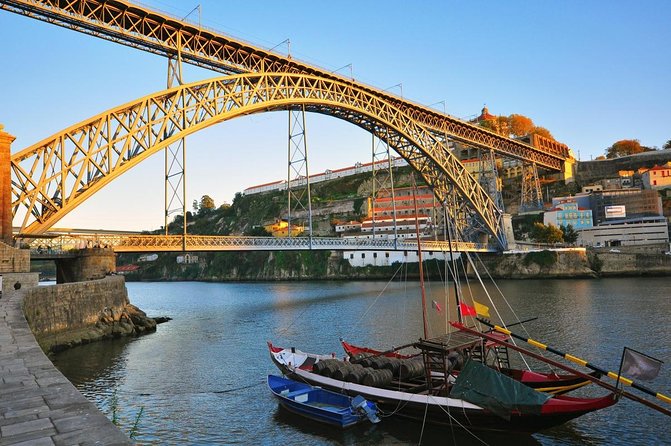
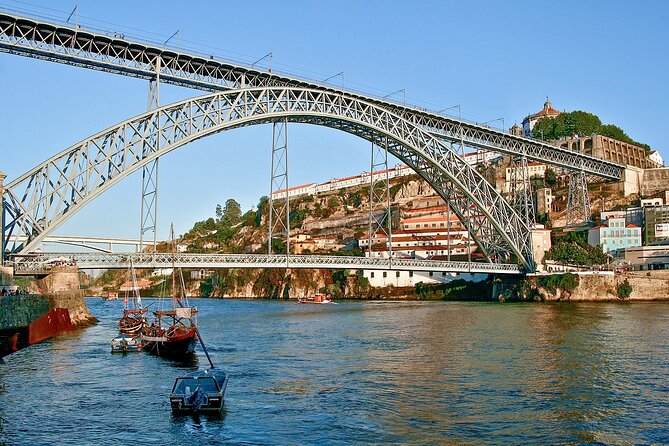
Then you reach Dom Luis Bridge for a guided look and story. Even if you’ve seen photos of the bridge, hearing the context changes how you look at it. The bridge becomes more than a view. It’s part of how the city functions, how the two banks relate, and how the Douro shapes movement and identity.
The itinerary also includes a short on-foot crossing time before you fully arrive in Gaia. That’s practical. You’re not waiting for transport, you’re just walking and letting the river and the city frames build in front of you.
If you’re the type who gets motion sick, plan accordingly. There is no ride involved here, but you are still out in open air on the bridge, with the river below and the wind sometimes adding extra chill.
Still working out the rest of your Douro trip? Start here.
- From Porto: Douro Valley w/ Boat Tour, Wine Tasting & Lunch
★ 4.7 · 19,061 reviews - Complete Douro Valley Wine Tour with Lunch, Wine Tastings and River Cruise
★ 5.0 · 12,920 reviews - Porto: Douro Valley with Winery Lunch, Tastings & Cruise
★ 4.7 · 7,002 reviews - Porto: 6 Bridges Douro River Cruise
★ 4.3 · 6,472 reviews
Gaia’s Wine Cellar Vibe, Serra do Pilar UNESCO, and Historic Convento Views
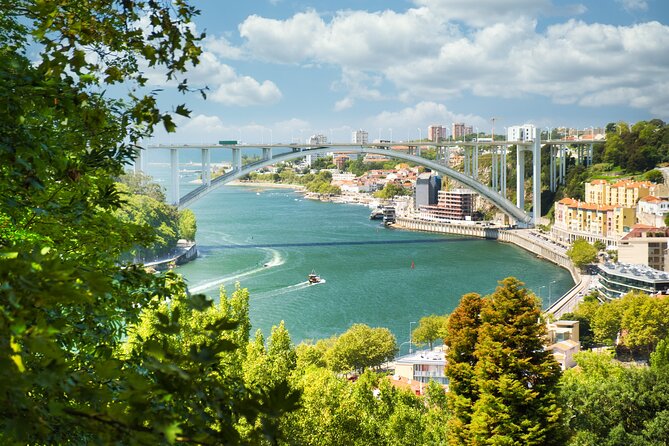
Once you cross, the tone shifts from Porto’s older street scene to Gaia’s riverfront identity. The guide reminds you that Vila Nova de Gaia, or Gaia as locals say it, is technically separate, but practically inseparable from Porto. That framing changes the way you understand the rivalry and the connection between the two.
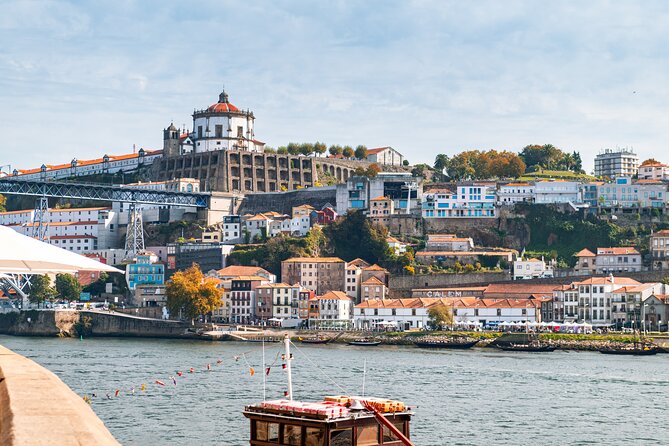
In Gaia, you’ll spend time with the area around famous wine cellars and the Serra do Pilar Monastery, a UNESCO World Heritage Site. This is a great combination. The wine-cellar connection is about industry and tradition, while the monastery gives you a high point and a sense of where the city once looked out over the river with a different kind of power.
Then comes one of the tour’s most interesting contrasts. You’ll see modern urban art, including the striking Half Rabbit sculpture, right alongside the classic, historic Corpus Christi Convent. The tour treats these as coexisting parts of the city’s life, not competing “old vs new” sides.
You also get the legend and meaning tied to the convent, which helps you look beyond architecture. In a short amount of time, you learn how stories shaped what people built and why they protected those stories.
No winery visit, but you still leave with clarity
Even without stepping into a winery, you get a key topic: the story of Port wine and why it is special. The tour explanation is practical in spirit, it helps you understand why Port wine is not just “wine,” and why it is not simply a label either. You’ll be able to follow conversations better later when tastings and menus start flying at you.
Port Wine Context You Can Use Later, Even Without a Tasting
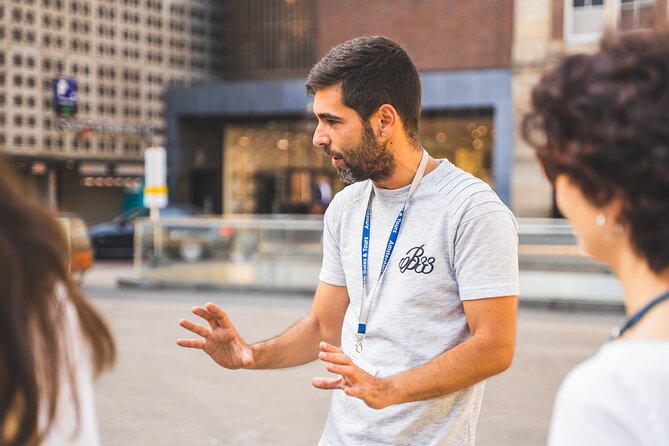
I like tours that don’t just point at things, but also teach you the language of the place. This one does that with Port wine. You won’t walk out holding a tasting flight, but you will walk out with a better sense of how Port wine became a signature of the two riverbanks.
Here’s how that helps you on your trip. When you visit a cellar independently, you are more likely to notice what makes Port wine different in how it is talked about, and you’ll understand why the industry built itself around the Douro world. Even if you end up choosing a tasting on a different day, you’ll feel less like you’re starting from zero.
And because the tour includes both religious heritage like Corpus Christi Convent and commerce-flavored sites like the wine-cellar area and the Porto Stock Exchange, it creates a broader picture. Port wine is not presented as an isolated product. It’s part of the city system.
Price, Time, and What You Actually Get in 2 Hours
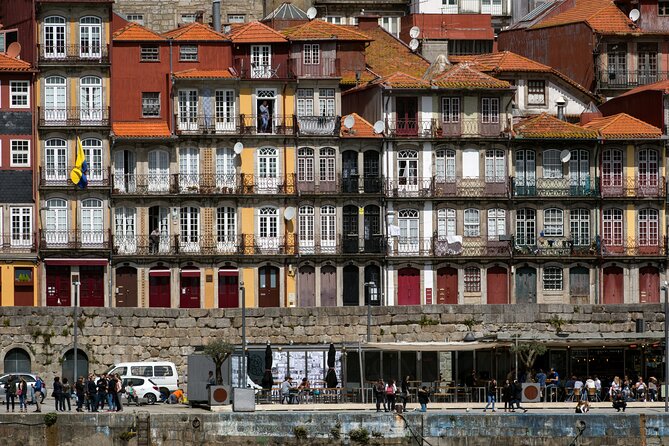
Let’s talk value in plain terms. $32 for about 2 hours is a fair price for a guided walk that covers multiple major sites across both cities. You’re not paying for a long bus ride, and you’re not paying for a full museum schedule either. You’re paying for interpretation, timing, and route design.
That 2-hour structure is ideal if you:
- want to get your bearings fast in Porto and Gaia
- like history told through real places, not just names and dates
- enjoy city contrasts, old streets plus modern urban art
- want a single morning or afternoon anchor rather than piecemeal planning
It’s less ideal if you:
- want a slow, sit-down tour with few stairs and minimal walking
- plan to spend most of your time photographing and doing repeat visits at each stop
- need wheelchair-friendly access, because the tour is not suitable for wheelchair users
Group size is also part of the value. It’s a small group limited to 10 participants, which helps the guide keep the energy up and allows real questions. When people praised Eric, they were responding to that “guide makes it click” effect, not just the route.
Booking Smarts: Meeting Point to Finish, and How to Plan Your Day
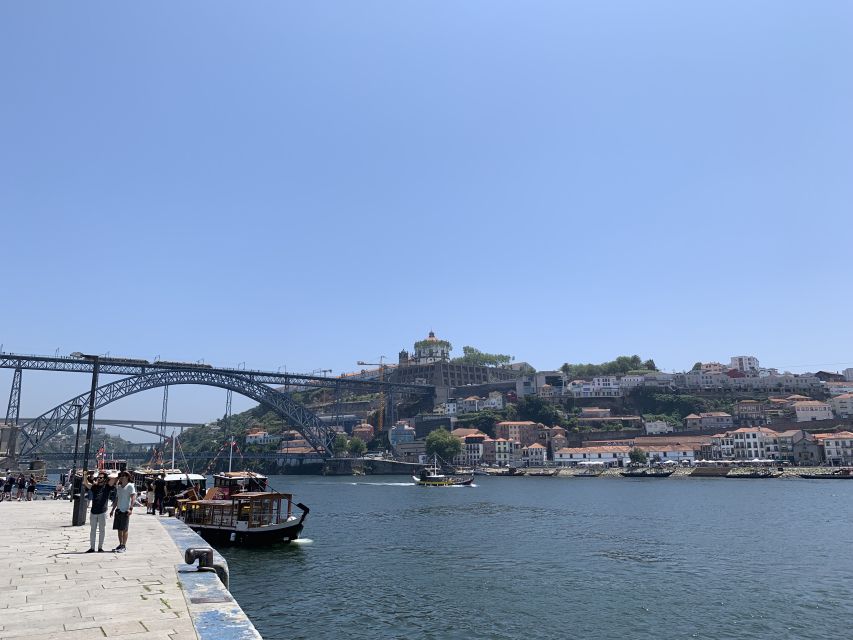
Before you book, know the tour flow. You meet at the statue with the blue umbrella at the foot, near the Jardim do Infante Dom Henrique. You’ll finish at Cais de Gaia 19, 4400-245 Vila Nova de Gaia. That drop-off is helpful if you plan to keep wandering around Gaia’s riverfront after.
Since food and drinks are not included, I suggest doing one of two things:
- eat before the tour so you can focus during the stops, or
- plan a proper snack stop right after, so you don’t lose momentum hunting for something nearby while you’re tired
The tour is also offered in English and Spanish, and it runs with a live guide. If you’re choosing between language options, pick the one you feel most comfortable asking questions in.
Finally, one practical reality: with fewer than 4 participants, the tour could be cancelled. So, if your dates are tight, have a backup plan for a second walking option in Porto or Gaia.
Should You Book This Porto and Gaia Two-Riversides Tour?
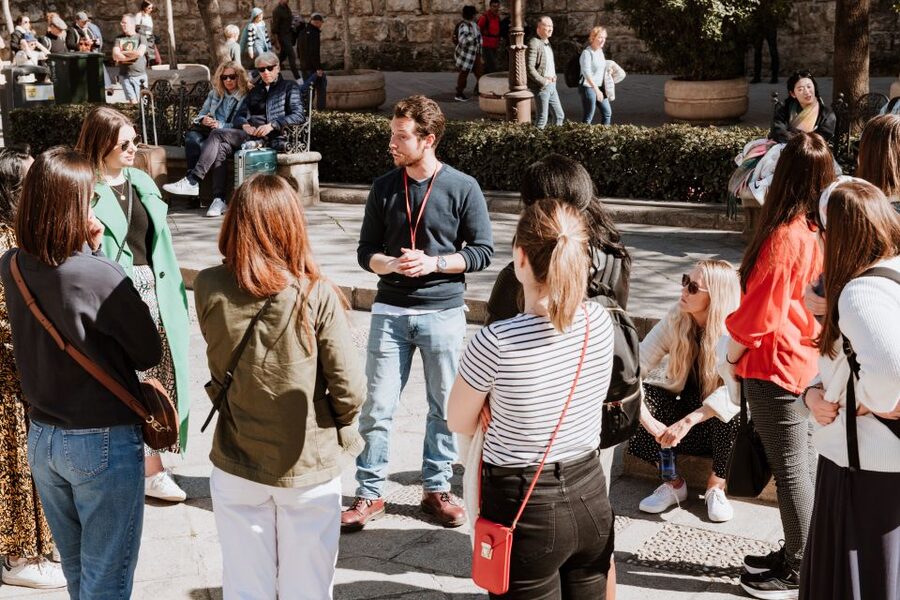
If you want an efficient way to understand Porto and Gaia as one story, I think this is a solid choice. You get Henry the Navigator as the big anchor, medieval Porto neighborhoods as the street-level backbone, and then the river crossing that makes Gaia feel like the natural next chapter. The modern art element, including the Half Rabbit sculpture, is a smart touch because it prevents the tour from feeling like history only.
I’d book it if you like:
- guided interpretation at major sights, without long museum delays
- contrasts, old church and convent beside contemporary art
- learning the Douro River’s role in the city’s identity
I’d skip it if your priority is purely scenic wandering, or if you don’t handle walking well. Also, if you’re hoping for a winery visit or a food-focused experience, you’ll need to add that separately since the tour does not include winery visits and does not include food or drinks.
If your Porto trip is short, this tour helps you make the rest of your day smarter, because you’ll know what to look for when you explore on your own.
FAQ
How long is the Porto and Gaia walking tour?
It lasts 2 hours.
What does the tour cost?
The price is $32 per person.
Where do I meet the guide?
Meet at the foot of the statue with the blue umbrella at Jardim do Infante Dom Henrique.
Where does the tour finish?
The tour finishes at Cais de Gaia 19, 4400-245 Vila Nova de Gaia, Portugal.
What is included in the price?
It includes a walking tour through the historic neighborhoods of Porto and Gaia, plus a friendly, knowledgeable guide fluent in English or Spanish.
Is food or drinks included?
No, food and drinks are not included.
Does the tour visit a winery?
No, it does not visit a winery. You will hear about Port wine’s story instead.
Is this tour suitable for wheelchair users?
No, it is not suitable for wheelchair users.
What languages is the tour offered in?
The tour is offered in Spanish and English.
Just added to the valley
- Porto Douro Nature Boat Tour
★ 5.0 · 1 review - Portugal and Spain 9 Days Douro Valley River Cruise
★ 5.0 · 1 review - Private Tour in Douro, with tasting,on a Yacht for up to 5 People
★ 5.0 · 1 review - Private Douro Valley Tour Taylor Made from Porto
★ 5.0 · 1 review - Porto and Douro: Private tour in Yacht
★ 5.0 · 1 review - Private Tour 6 Bridges and Douro 2h opt. sunset, group price up to 6px
★ 5.0 · 1 review
Walking Tours, compared.
Port and Douro Wine Walking Tour with 9 Tastings
Read our review →
Port and Douro Wine Walking Tour With 9 Wine Tastings
Read our review →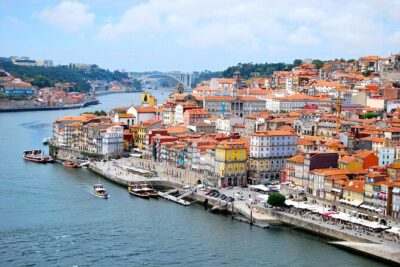
Porto and Gaia: Walking Tour of Douro’s Two Riversides
Read our review →
Douro: luxury walking tour with lunch at Quinta da Pacheca
Read our review →More of this kind of Douro day