
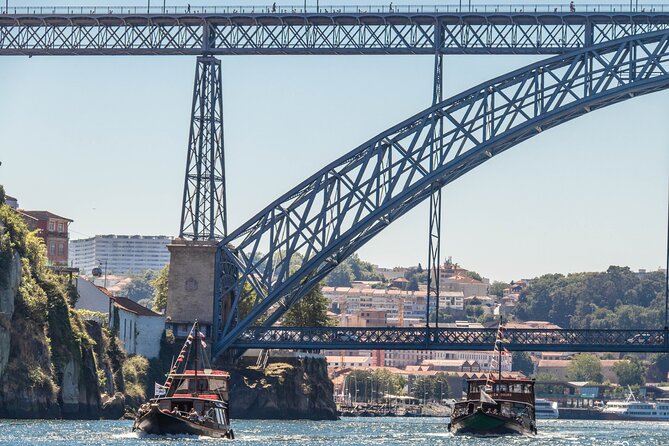
Reviewed · SIX BRIDGES DOURO CRUISES
Porto Six Bridges Panoramic Cruise on the Douro River
Porto’s bridges look different from the water. This short panoramic cruise takes you past all six Douro River crossings, including the ones designed by Gustave Eiffel and the newer skyline bridge that feels like a modern exclamation point.
I love the way the schedule is flexible, with boats leaving from both Porto and Vila Nova de Gaia, so you can pick a departure that fits your day. I also like that you can choose open-air seating for skyline photos or covered areas if the weather turns.
One drawback to plan for: the narration is not always easy to hear, especially if you pick seats in certain spots. If getting detailed commentary matters to you, consider lining up early for the best sound and view combo.
In This Review
- Key things to know before you go
- Why the Six Bridges Cruise is such an easy Porto add-on
- Open-ticket logistics: where you go, where you sit, and how to avoid stress
- Seating tip: pick your goal first
- Plan for a short, calm outing
- The bridges, in order: what makes each one worth seeing
- Ponte D. Maria Pia and Ponte Dom Luís I: Eiffel-era and 19th-century icons
- Ponte da Arrábida and Ponte de São João: mid-century engineering and a skyline reset
- Ponte do Freixo and Ponte Infante Dom Henrique: the farthest reaches and the newest connection
- A note on the route feel
- How to get more out of the narration when audio is hit or miss
- Photo ops: best times, best angles, and what to shoot
- How much is $21.69 worth, and who should consider it
- Who this fits best
- Should you book the Porto Six Bridges Panoramic Cruise?
- FAQ
- How long is the Porto Six Bridges Panoramic Cruise?
- Where do the boats depart from?
- What does open ticket mean for this experience?
- Which bridges are included on the cruise?
- Is food and drinks included?
- Do I get hotel pickup or drop-off?
- What time does the cruise run?
- Can I get a full refund if I cancel?
Key things to know before you go
- All six bridges in one loop: You’ll pass the Eiffel-designed Ponte D. Maria Pia, plus Dom Luís I and the newer crossings up and down the river.
- Open ticket flexibility: You can hop aboard whichever vessel fits your timing window.
- Two departure options: Boats leave from both Porto and Gaia.
- Photo-friendly route: The river angles give you views you simply cannot get from the waterfront roads.
- Seating choices matter: Open-air for photos, covered when sun or wind gets annoying.
- Commentary quality varies: Some seats make the pre-recorded narration easier or harder to catch.
Why the Six Bridges Cruise is such an easy Porto add-on
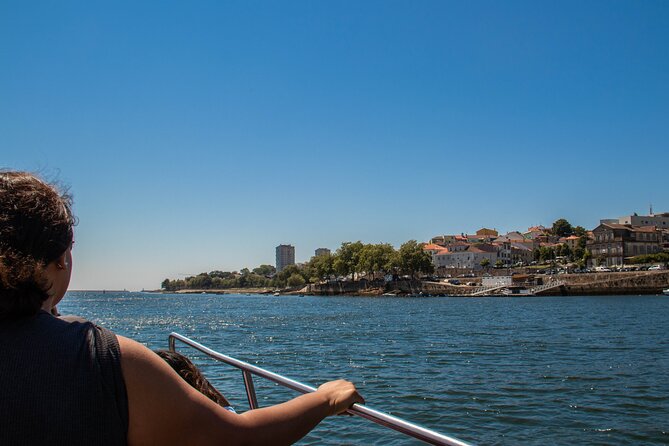
If you only have a short window in Porto, this is the kind of activity that pays off quickly. You get out onto the Douro without committing to a long trip, and in roughly an hour after boarding, you’ve seen the bridges that define how Porto and Gaia connect.
The big value here is perspective. From the river, the city’s rugged hills and riverfront lines make sense as a whole. On land, you bounce from viewpoint to viewpoint and end up with gaps. On the water, the bridges roll past in a clean sequence, and your camera does most of the work.
Also, the route is built for “I want the highlights” travelers. You’re not just looking at one bridge and calling it a day. You get a full sweep that covers the historic and the modern in one ride.
One cruise, six Porto bridges
- Porto: 6 Bridges Douro River Cruise★ 4.3 · 6,472 reviews
- Porto: River Douro 6 Bridges Cruise★ 4.3 · 4,168 reviews
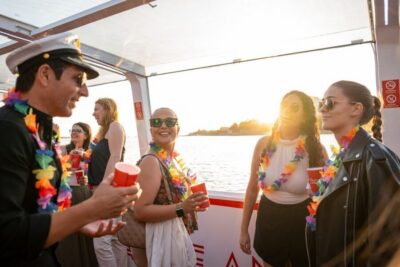
- Porto: Douro River Party Boat with Sunset Option & 6 Bridges★ 4.7 · 2,040 reviews
Open-ticket logistics: where you go, where you sit, and how to avoid stress
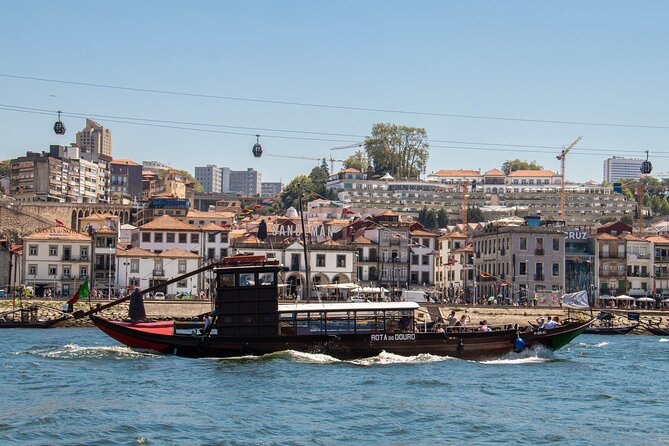
This cruise is designed to be flexible. With an open ticket, you choose a departure time that works for you, and boats depart from both sides of the river. That matters because Porto days can get chaotic, especially if you’re juggling walking, tastings, and a train or day trip.
At the dock, keep your expectations realistic. The waterfront has multiple boat operators running very similar “six bridges” style cruises. One review specifically noted confusion because several companies look alike and it can be unclear which booth matches your prepaid ticket. My advice is simple: arrive early enough to confirm you’re at the correct tent or booth, then give yourself time to find the right boat.
Seating tip: pick your goal first
You’ll generally be able to choose between open-air and covered areas. Open-air is the clear winner for photos because you can shoot without glass glare. Covered seating is the backup when the sun is sharp or you need a break from wind.
Sound can be tricky. Multiple comments point out that you might not hear the narration well from the front, or that outside seating can trade off some listening for better views. If you care about the spoken portion, show up a little early and aim for a spot where you’re both comfortable and close to where the audio comes from.
Plan for a short, calm outing
The cruise is scenic and relaxed. It’s not a “go, go, go” sightseeing sprint. Expect an easy pace, plenty of time to look, and enough time at the end to keep exploring Porto and Gaia on foot.
More ways to see the Douro by boat
- From Porto: Douro Valley w/ Boat Tour, Wine Tasting & Lunch
★ 4.7 · 19,061 reviews - Complete Douro Valley Wine Tour with Lunch, Wine Tastings and River Cruise
★ 5.0 · 12,920 reviews - Porto: Guided Tour by Tuk-Tuk & Optional Douro River Cruise
★ 4.5 · 5,980 reviews - Authentic Small Group Douro Wine Tour with Lunch & River Cruise
★ 5.0 · 4,775 reviews
The bridges, in order: what makes each one worth seeing
You pass all six bridges that connect Porto and Vila Nova de Gaia. Each one is a different chapter in how the city solved its river-crossing problem. Here’s how to think about what you’re seeing, and what to watch for.
Ponte D. Maria Pia and Ponte Dom Luís I: Eiffel-era and 19th-century icons
First up in the lineup is Ponte D. Maria Pia, a railway bridge crossing the Douro between Porto and Vila Nova de Gaia. It was designed by Gustave Eiffel, and it was once the largest iron arch bridge in the world. From the boat, you’ll get a strong sense of the bridge’s structure because the framing changes as you move under and alongside it.
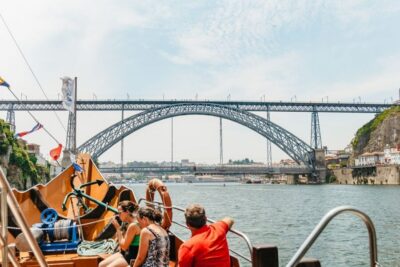
Next is Ponte Dom Luís I, one of Porto’s true icons and a landmark of 19th-century engineering. It spans the Douro between the same two banks, north Porto to south Gaia. On water, the scale hits differently, especially when you watch how the bridge supports relate to the river surface and the hillside neighborhoods above.
Practical tip: when you spot these older iron and masonry forms, slow down your photo rush. This is the part where architectural details are easier to appreciate if you pause for 30 seconds and let your eyes adjust.
Ponte da Arrábida and Ponte de São João: mid-century engineering and a skyline reset
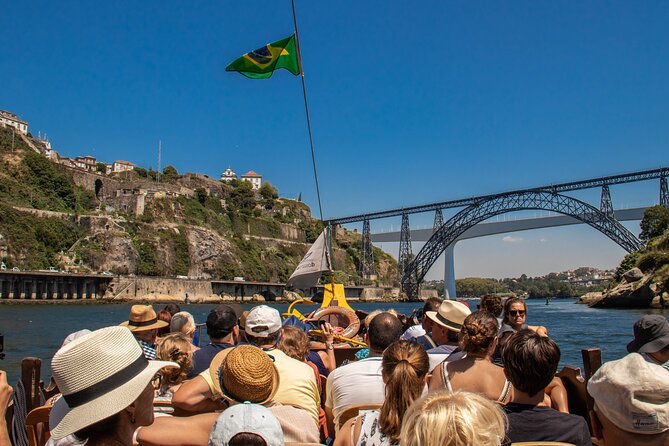
Then you’ll reach Ponte da Arrábida, built in 1963 as an answer to growing traffic and the need for alternative connections beyond the older bridges. At the time, it featured one of the world’s largest reinforced concrete arches. That detail matters because concrete arches read as “chunky power” from the boat, unlike the lighter look of older iron work.
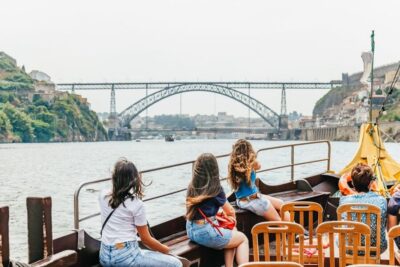
After that, the Ponte de São João is next. It was built to replace the D. Maria Pia Bridge. If you’ve seen enough Porto skyline photos, you’ll recognize how the São João Bridge has become part of the city’s visual signature.
There’s also a historical wrinkle that makes the bridge feel more layered than it looks. During construction, archaeologists found the remains of a Roman road and a medieval shipyard in the area. While you won’t be walking through those ruins, it’s a reminder that the riverbank is constantly revealing older layers.
Photo tip: with the São João Bridge, shoot both directions if you can. One angle frames the bridge against the skyline, and the other shows the riverfront textures that often get missed in straight-on postcards.
Ponte do Freixo and Ponte Infante Dom Henrique: the farthest reaches and the newest connection
The cruise doesn’t stop at the postcard favorites. It continues upstream enough to include Ponte do Freixo, inaugurated in September 1995. It’s the furthest upstream of the six bridges connecting Porto and Gaia. From the water, it feels slightly less “photo-museum” and more like the real working river, with industrial edges and quieter shoreline sections showing up in your peripheral vision.
Finally, you’ll see Ponte Infante Dom Henrique, also known as the Infante Bridge. It’s the newest of the six crossings, named in honor of Infante Dom Henrique, a key promoter of the Portuguese discoveries. On the boat, this one often reads like a modern counterpoint, a bridge that signals how Porto continues to evolve rather than just preserve its past.
A note on the route feel
Even though this is listed as a straightforward cruise, the “six bridges” idea turns it into a moving viewpoint. You’re not just staring at water. You’re watching how the city changes its texture as the river pulls you past different neighborhoods and riverfront functions.
How to get more out of the narration when audio is hit or miss
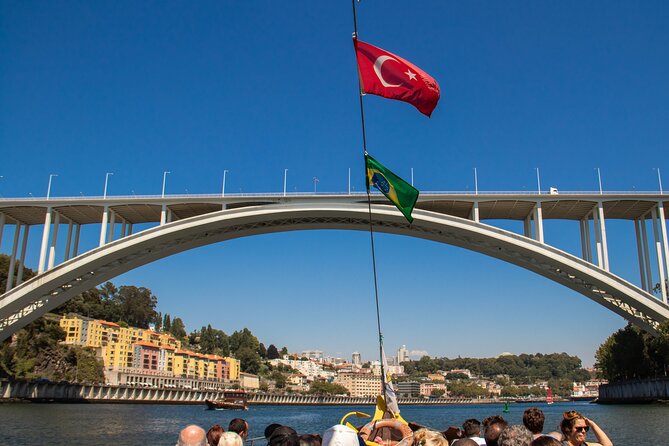
Because this is a panoramic cruise, you should think of it as a ride first, with interpretation layered in. An official guide or audio guide is not guaranteed. What you may get is pre-recorded narration in multiple languages.
This is exactly where experiences differ. Some riders say the commentary is clear and they can hear it. Others report that it’s hard to catch from certain seating areas, that the front makes sound less effective, or that the recording can feel mis-timed to the exact bridge you’re passing at that moment.
Here’s how to handle it so you still get value:
- Don’t rely on narration alone. Use the bridge names as a mental checklist so you can recognize what you’re seeing.
- Choose your seat with sound in mind. If you know you care about commentary, don’t prioritize only the best view.
- Look for extra audio options if offered. One rider mentioned a sign that could lead to downloading audio to a phone after getting off. If you see anything like that, it’s worth grabbing because it can help you connect the bridge to the explanation.
If you go in with the right mindset, the lack of perfect commentary becomes less of a deal. The real “wow” is the visuals and the fact you get a full set of bridges in a single, low-effort block of time.
Photo ops: best times, best angles, and what to shoot
Porto looks good anytime. But the Douro makes it look better, especially when the light is angled and the hills cast stronger shadows. If you can, I’d aim for morning departures, because you’ll often get more flattering lighting for both the bridge steelwork and the riverside buildings.
The boat also gives you repeat angles. Bridges are not flat “one view” objects. As you glide past, you can get:
- A broad shot that shows the bridge and riverfront together
- A tighter frame that isolates architecture and bridge supports
- A moving background that adds depth to your skyline photos
One practical move: take a quick photo, then step through the sequence in your head. If you know which bridge is next, you’ll keep your camera ready instead of scrambling when you finally recognize it.
How much is $21.69 worth, and who should consider it
At about $21.69 per person, this cruise is priced like an affordable, short “Porto 101” viewpoint. And that’s the right way to judge it. You’re paying for time on the river, the full pass of six bridges, and a low-effort way to add a major landmark section to your day.
That said, value depends on your priorities. If you want a lot of spoken history and detailed storytelling, the pre-recorded approach and occasional sound issues can make the ride feel too simple. Some riders even said it was not worth the money for what felt like a short experience, while others called it a must-do because the visuals alone justified it.
Also, pricing can vary. One review pointed out that it was cheaper on site than through a booking platform, noted as 20 Euro. I’d use that as a reminder, not as a promise, meaning it can be smart to compare what you see at the dock versus online.
Who this fits best
You’ll likely enjoy this most if:
- You want big Porto views without a long time commitment
- You like architecture and want a bridge-to-bridge comparison
- You’re okay with a mostly visual experience, with narration as a bonus
- You want an easy plan that fits between meals, walking routes, or a longer day trip
You might skip it or pair it differently if you:
- Need a live guide style experience where you can ask questions
- Know you’ll be frustrated if audio is unclear in your seating area
Should you book the Porto Six Bridges Panoramic Cruise?
Book it if you want a quick, good-value way to understand how Porto and Gaia connect. The “all six bridges” format is the real selling point, especially if it helps you avoid trying to see every bridge from land in a single, rushed walking plan.
I would not make this your only activity if your main goal is deep, live historical interpretation. Think of this as a calm ride plus scenery, where the bridges are the stars and the commentary is there to support the experience, not replace it.
If you do book, do two things that improve your odds: arrive a bit early to sort out the correct dock setup, and pick a seat where you can see comfortably and still catch some audio. Then you’ll come away with exactly what makes this cruise popular, a short slice of the Douro that lets Porto’s bridges make sense.
FAQ
How long is the Porto Six Bridges Panoramic Cruise?
The cruise lasts about 50 minutes.
Where do the boats depart from?
Boats leave from Porto and from Gaia.
What does open ticket mean for this experience?
Your ticket is flexible, so you can hop aboard whichever vessel fits your schedule within the specified time frame.
Which bridges are included on the cruise?
You pass Ponte D. Maria Pia, Ponte Dom Luís I, Ponte da Arrábida, Ponte de São João, Ponte Infante Dom Henrique, and Ponte do Freixo.
Is food and drinks included?
No. Food and drinks are not included.
Do I get hotel pickup or drop-off?
No. Hotel pickup and drop-off are not included.
What time does the cruise run?
It runs daily from 10:30am to 6pm from April to September, and from 11am to 4pm from October to March.
Can I get a full refund if I cancel?
Yes, you can cancel up to 24 hours in advance for a full refund.
Just added to the valley
- Porto Douro Nature Boat Tour
★ 5.0 · 1 review - Portugal and Spain 9 Days Douro Valley River Cruise
★ 5.0 · 1 review - Private Tour in Douro, with tasting,on a Yacht for up to 5 People
★ 5.0 · 1 review - Private Douro Valley Tour Taylor Made from Porto
★ 5.0 · 1 review - Porto and Douro: Private tour in Yacht
★ 5.0 · 1 review - Private Tour 6 Bridges and Douro 2h opt. sunset, group price up to 6px
★ 5.0 · 1 review
Six Bridges Douro Cruises, compared.
Douro River Party Boat with Sunset Option & 6 Bridges
Read our review →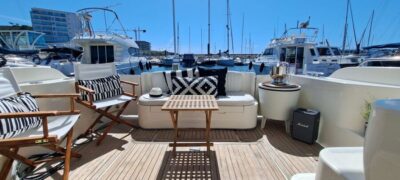
Luxury Yacht Tour of the 6 Bridges and Douro Estuary
Read our review →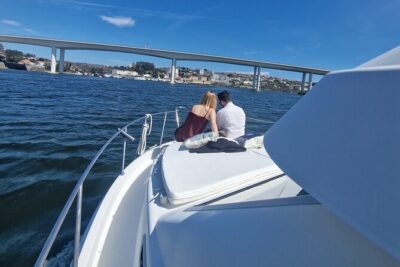
Port : 6 Bridges Cruise , Douro River with Sunset Option
Read our review →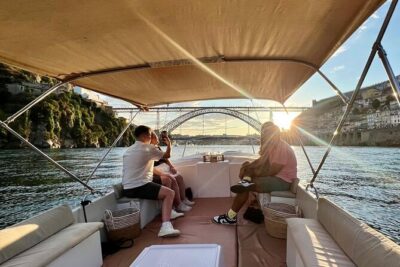
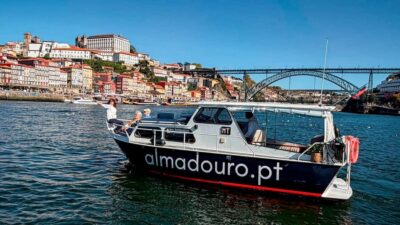
Private Douro River Cruise – 6 Bridges & Sunset
Read our review →
Douro River Party Boat with Sunset Option and 6 Bridges
Read our review →More of this kind of Douro day