
Reviewed · DOURO VALLEY
Valley of the Douro Initiation Course
Wine, taught with views.
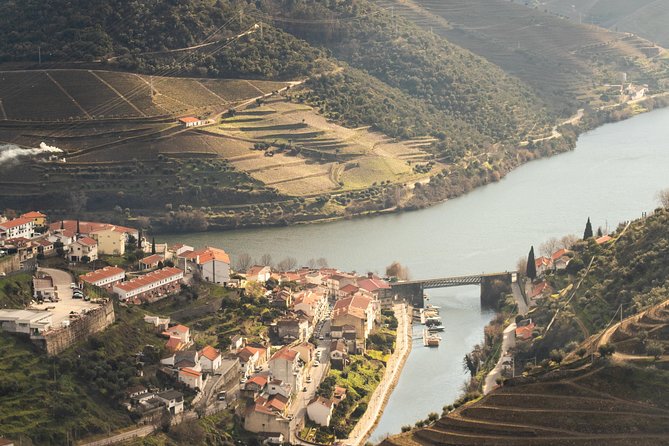
In Pinhão, this Douro Valley initiation course turns a casual tasting into a skill you can use at home, with instruction offered in English and a small setup that stays relaxed. The big draw is the setting, you are close to the Pinhão train station and the Rio Pinhão area, so the experience feels connected to where the wine comes from.
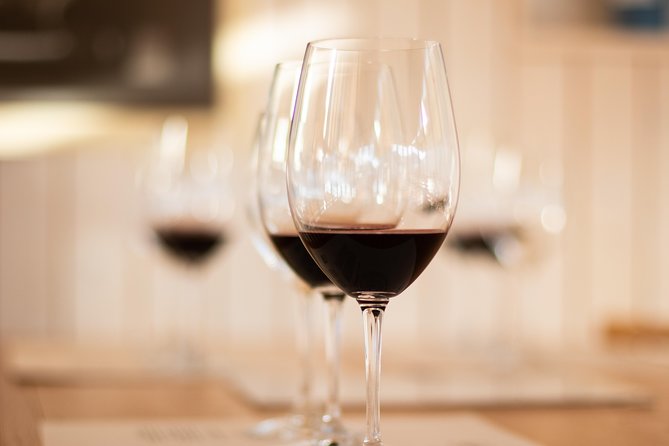
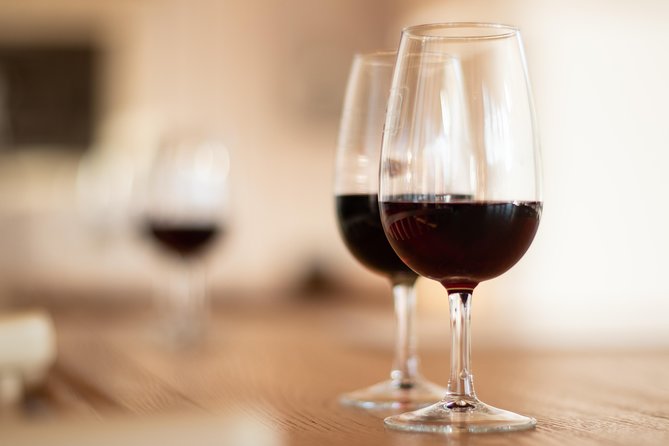
I especially like two things: first, the tasting-focused instruction that helps you learn how to analyze and taste wine critically, not just sip and nod. Second, you sample 7 Portuguese wines in one session, which is a great way to build a first mental map of what Portuguese styles can taste like.
One possible drawback to plan for: this is not a full vineyard day. If you want a long drive around estates, this course is shorter and more workshop-style, centered on tasting and learning.
In This Review
- Key Highlights You’ll Care About
- Pinhão as Your Classroom: Meeting at the Railway Station
- What You Learn in a Douro Wine Initiation Course (and Why It Matters)
- Tasting 7 Portuguese Wines Without Feeling Lost
- The Rio Pinhão View: Why the Setting Improves the Tasting
- João and the Value of a True Teaching Style
- Rooster’s Crests Dessert: A Sweet Local Finish
- Duration, Language, and Group Size: Planning Your 2.5 Hours
- Price and Value: What $175.43 Buys You
- Who Should Book This Douro Wine Course in Pinhão?
- Should You Book This Wine Initiation Course in Pinhão?
- FAQ
- How long is the Valley of the Douro initiation course?
- Where does the experience start?
- Is the course offered in English?
- How many people are in the group?
- How many wines will I taste?
- Is there food included?
- Are service animals allowed?
- What happens if the weather is poor?
- Can I cancel for a refund?
Key Highlights You’ll Care About
- Beginner-friendly wine tasting analysis, taught as a basic framework you can reuse.
- 7 Portuguese wines in one 2.5 hour session, so you get variety without a long itinerary.
- Small group size (max 8), which usually means questions are welcome.
- Pinhão’s quiet river outlook, making the tasting more enjoyable than a back-room workshop.
- Rooster’s crests dessert, a local sweet included in the sample menu.
- English instruction with mobile ticket convenience for your schedule.
Pinhão as Your Classroom: Meeting at the Railway Station
Starting in Pinhão makes this course feel practical and grounded. You meet back at the location in Pinhão, and the session begins near the Pinhão Railway Station. That matters more than it sounds. Train stations in Portugal are often easy reference points, and arriving without stress helps you actually enjoy the tasting rather than trying to sprint across town.
You will be in a place people associate with Douro River life, not an isolated, manufactured tasting room. The river view shows up in the experience in a natural way, and that is part of why people remember the session. When you taste, your senses do better with calm surroundings. You are not competing with crowds or loud noise, so you can focus on what you smell and what you notice on the palate.
Also, the session is short enough that it fits easily into a travel day. I like tours that do not steal your whole afternoon, especially in a region where the scenery outside is already doing half the work. This is a focused stop you can pair with other Douro plans.
The Douro keeps unfolding past this stretch of river: terraced hills, quinta cellars, and villages worth the detour.
- Pinhão: Douro River Solar Boat Tour with Wine Tasting★ 4.8 · 793 reviews
- From Pinhão: Douro Valley Rabelo Boat Tour with Port Wine★ 4.4 · 460 reviews
- From Pinhão: Douro Valley Tour w/ Wine Tasting and Boat Trip★ 4.6 · 316 reviews
What You Learn in a Douro Wine Initiation Course (and Why It Matters)
This is called an initiation course for a reason. You are learning the basic notions and concepts about wine and tasting, then putting that knowledge into practice. The goal is simple: by the end, you should know how to analyze and taste wine critically.
In plain terms, you are not just tasting. You are training your attention. Wine tasting can feel mystical if nobody gives you a framework. When the instruction is clear, you start noticing patterns instead of random impressions. You begin to separate personal preference from structure, like how the wine tastes as it unfolds and how different wines feel in the mouth.
The course also helps with language. Even if you are not a wine expert, it is useful to learn how to describe what you are experiencing. That makes future tastings less intimidating and more fun. You can also carry the method home when you buy a bottle at a store. You will know what to pay attention to, instead of relying on a label or a vague memory.
One highlight from the experience vibe is that the learning happens in a relaxed way. People specifically praised the clear explanations and the calm, friendly atmosphere. That combination is ideal. You get guidance without feeling put on the spot, and it makes beginners more confident.
Tasting 7 Portuguese Wines Without Feeling Lost
Sampling 7 Portuguese wines is the core of the course. That number is big enough to notice differences, but not so large that your senses shut down halfway through. It is a smart pace for learning. You can compare one wine to the next and start forming a real mental checklist.
You should expect a structured tasting session aimed at critical analysis. Even without getting too technical, this approach typically helps you build habits: you pay attention to aroma first, then taste, then the overall feel. You also learn that wine is more than one flavor. It is a combination of impressions that work together.
What I like about this format is that it teaches comparison. Instead of trying to memorize details for one bottle, you learn to observe across a series. That is how most people improve as wine tasters, fast.
And since the session focuses on Portuguese wines specifically, it is a practical introduction. You are not trying to cover the whole world. You are zooming in on one region’s style, so your knowledge becomes useful quickly when you return to Portugal or shop for Portuguese bottles elsewhere.
The Rio Pinhão View: Why the Setting Improves the Tasting
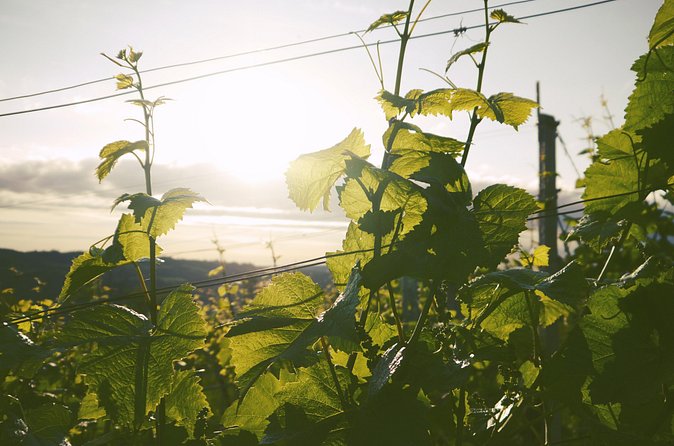
The experience has a clear visual advantage. The Douro river bends through this area, and the view over the Rio Pinhão is part of what people remember most. A scenic setting does not automatically make wine taste better, but it does help you slow down, concentrate, and enjoy the moment. That is exactly what you want during tasting.
When you sit in a calmer environment, you are more likely to notice smaller details. Smells and flavors show up more clearly when you are not rushed. Plus, the mood matters. People praised the relaxed, friendly atmosphere, and that kind of tone makes beginners feel comfortable asking questions or rethinking what they thought they knew.
If you are photographing, bring your camera stance. This is the sort of spot where you want one photo for your memory and another photo to remind you what it felt like. Not every tasting gets that mix of learning plus scenery.
One practical note: the experience requires good weather. River air can change quickly, and wind can affect how aromas carry. If it looks like it could be windy or rainy, dress for comfort and be ready to move with the group. If weather does force a change, you will likely still get the chance to reschedule.
Still working out the rest of your Douro trip? Start here.
- From Porto: Douro Valley Tour with Tastings, Boat & Lunch
★ 4.8 · 264 reviews - Pinhão: Douro River 50-min Boat Trip with Port Wine
★ 4.6 · 233 reviews - Pinhão: Quinta do Bomfim Visit and Tasting
★ 4.7 · 230 reviews - From Pinhão: Private Yacht Cruise along the Douro River
★ 4.9 · 204 reviews
João and the Value of a True Teaching Style
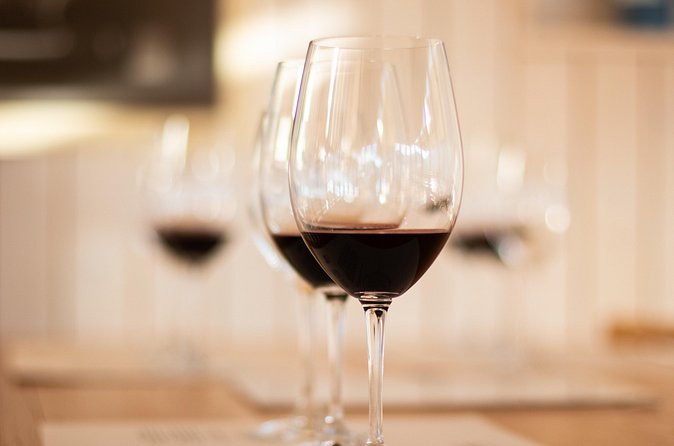
The course is provided by Sommelier Tours, and in the comments left after the experience, the instructor João Koehler is specifically thanked for his availability and expertise. That name comes up because his style seems to hit the right balance: clear explanations, a relaxed environment, and real attention to the group.
That matters because wine instruction can go two ways. Either it becomes a lecture where you forget everything, or it becomes casual where you leave with a pleasant time but no method. Here, the emphasis is on learning the basics and using them to analyze and taste critically. That is the teaching sweet spot.
Small-group formats also help. With a maximum of 8 travelers, it is much easier to ask follow-up questions. You are not just listening from the back of the group. You can actually build understanding step by step.
If you are traveling with a mixed group, beginners and non-beginners often like this setup. Beginners get structure, while more experienced tasters often appreciate a clear refresher on how to think rather than just what to taste.
Rooster’s Crests Dessert: A Sweet Local Finish
Wine tastings in Portugal are rarely only about wine. The sample menu includes dessert: rooster’s crests. This is a traditional pastry made with egg cream and almonds. It sounds fancy, but it is also comforting and approachable.
I like ending a tasting with something sweet because it resets your palate. After tasting multiple wines, your mouth can feel a little “full” of flavors. A dessert course gives a different kind of sensation, and it also adds cultural flavor to the session beyond the bottle.
Also, rooster’s crests connects the tasting to Portuguese food traditions. You are not just learning about wine in isolation. You are getting a small food detail that makes the whole Douro experience feel more local and less staged.
If you have dietary needs, the only safe move is to ask ahead. The provided information lists this specific dessert, but it does not spell out alternatives.
Duration, Language, and Group Size: Planning Your 2.5 Hours
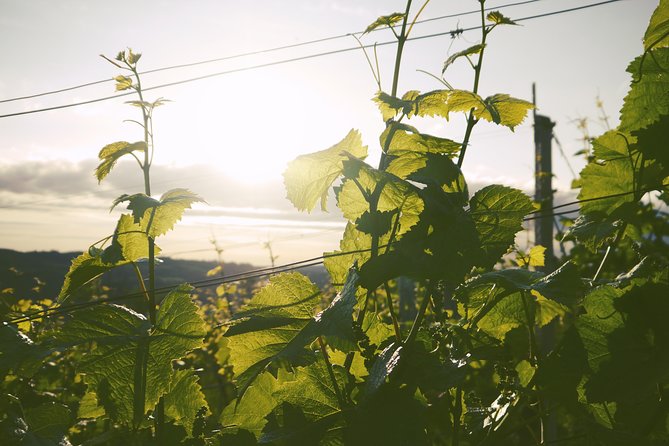
The course runs about 2 hours 30 minutes. That timing is useful because it gives you enough time for a proper tasting and instruction, without eating your whole afternoon.
The tour is offered in English, which is a big plus for most visitors. You can focus on learning rather than translating basic concepts in your head. For wine beginners, having the guidance in a language you’re comfortable with makes a real difference.
The group size tops out at 8 travelers. That cap keeps the experience personal and makes it easier for the instructor to respond to questions. It also helps keep the tasting flow from turning into a crowded, slow-moving event.
In terms of where you go and where you end up, it starts and ends back at the meeting point in Pinhão. That is another traveler-friendly detail. You do not have to plan a complex route to get back to your base or to continue exploring.
Price and Value: What $175.43 Buys You
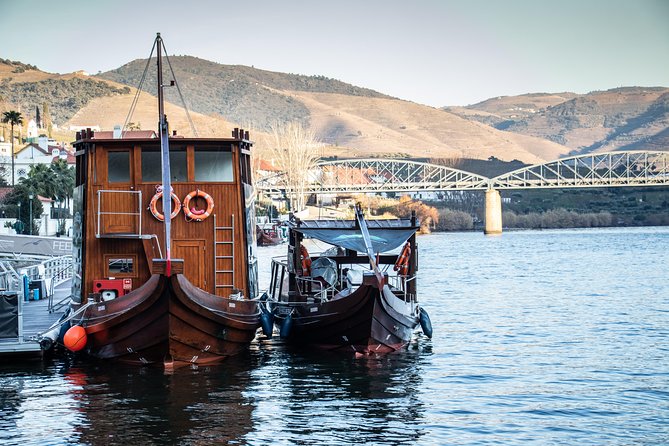
The price is $175.43 per person, and the value comes from what is included and how it is taught.
You are paying for:
- Instruction aimed at teaching you how to analyze and taste wine critically
- Sampling 7 Portuguese wines in the same session
- A local dessert, rooster’s crests, with egg cream and almonds
- English guidance
- A small group setting (maximum 8)
For many people, wine tastings can feel hit-or-miss. Some are just consumption with minimal education, and others are educational but vague. This course is positioned as an initiation, and that is a strong promise if you are new. You should leave with usable skills, not just a memory of good wine.
At this price point, I would decide based on your goal. If you want an educational tasting with a limited group and a scenic Pinhão setting, it can feel like a fair trade. If you are already a confident taster, you might find the key value is still the structure, but you may want to compare against other tastings in the area.
Who Should Book This Douro Wine Course in Pinhão?
This works best for you if:
- You want to learn the basics of wine tasting in a structured way
- You want to sample multiple Portuguese wines without a full-day tour
- You like calm, scenic settings rather than crowded tastings
- You are traveling with friends or family and want a friendly group atmosphere
It may not be the right fit if you are looking for a long itinerary with extensive sightseeing. This is a tasting workshop centered on learning and sampling. You can absolutely pair it with Douro viewpoints and river walks before or after, but don’t expect it to replace a whole day of exploring vineyards.
Also, if you care about comfort and communication, the English instruction and small group size are practical wins. And the mention that service animals are allowed means it can be easier for some travelers to plan confidently.
Should You Book This Wine Initiation Course in Pinhão?
Yes, I would lean toward booking if your goal is learning. The course is built around teaching you how to taste critically, and the combination of instruction plus 7 Portuguese wines plus a calm Rio Pinhão setting makes it feel worthwhile for the time.
Book it if you want a guided session that helps you understand what you like and why. Also book it if you enjoy Portugal at a slower pace, where a station in a small town can become the start of an education.
Skip it if you already have a strong tasting routine and want a more expansive, vineyard-heavy day. For most first-time wine learners, though, this is exactly the type of short, focused experience that turns into confidence fast.
FAQ
How long is the Valley of the Douro initiation course?
It lasts about 2 hours 30 minutes.
Where does the experience start?
The meeting point is 5085-037 Pinhão, Portugal.
Is the course offered in English?
Yes, it is offered in English.
How many people are in the group?
The experience has a maximum of 8 travelers.
How many wines will I taste?
You will taste 7 Portuguese wines.
Is there food included?
A sample dessert is included: rooster’s crests, a traditional pastry with egg cream and almonds.
Are service animals allowed?
Yes, service animals are allowed.
What happens if the weather is poor?
The experience requires good weather. If it is canceled due to poor weather, you will be offered a different date or a full refund.
Can I cancel for a refund?
You can cancel up to 24 hours in advance for a full refund.
Just added to the valley
- Wine Experience
★ 5.0 · 1 review - Visit Pinhão : Farm, Wine Tasting, Panoramic Cruise
★ 5.0 · 1 review - Sunset on the River Douro Private Boat Tour 1H and 2H
★ 5.0 · 1 review - Essence: Full-Day Tour 2 Wineries and Boat Cruise
★ 5.0 · 1 review - One way Douro Valley to Lisbon through Coimbra and Óbidos
★ 5.0 · 2 reviews - Pinhão: Private Electric Boat Tour 1h- Wine Tasting Included
★ 5.0 · 2 reviews