Reviewed · TOURS
Vila Nova de Gaia: Douro Discovery
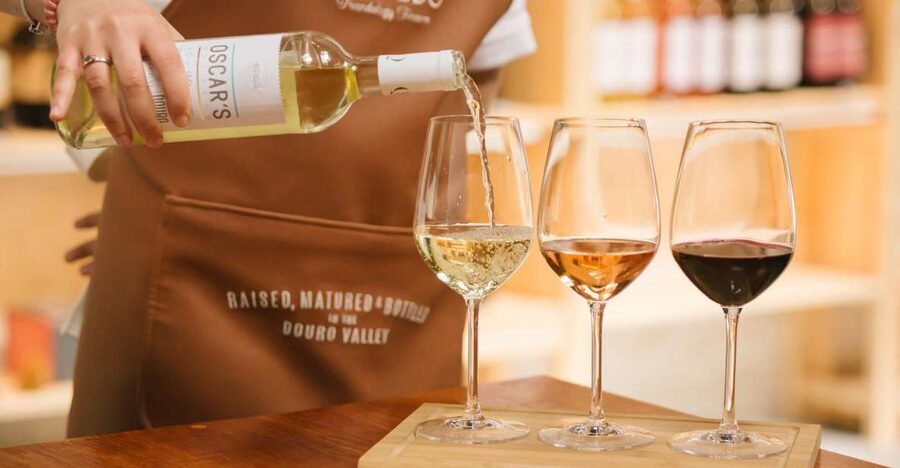
Three tastes can teach you a lot fast. In Vila Nova de Gaia, Douro Discovery is a focused 30-minute Douro D.O. tasting at Quevedo Port Wine, where you relax in their cozy lodge and get the story behind the wines. I like how the format is simple and direct, and you’ll like the small group size that keeps things conversational. It’s run by a family business with a winemaking tradition stretching back five generations, plus a very specific reason they ended up bottling Port under their own brand after Portugal joined the EU in 1993.
If you’re expecting food, plan differently. This experience includes three glasses of still wine, but no snacks, so you may want to eat before or after, especially if you’re doing it as your first stop in Porto’s wine-zone.
In This Review
- Key things to know before you go
- Vila Nova Nova de Gaia, and why this tasting fits Porto days
- Quevedo Port Wine meeting point and the lodge vibe
- The three wines you taste, what to focus on during Oscar’s Rosé, Oscar’s White, and Claudia’s Reserve Red
- The five-generation family story and the 1993 EU bottling shift
- Why Douro Valley grape origin drives everything they do
- What you actually learn in 30 minutes, even if you are starting from scratch
- Guides and the human factor: Dima and Fernando made it memorable
- Price and value for $20, three 100 ml glasses plus a story
- Making the most of your visit at Quevedo Port Wine, including the light show note
- Who this Douro Discovery tasting suits best
- Should you book Vila Nova de Gaia: Douro Discovery?
Key things to know before you go
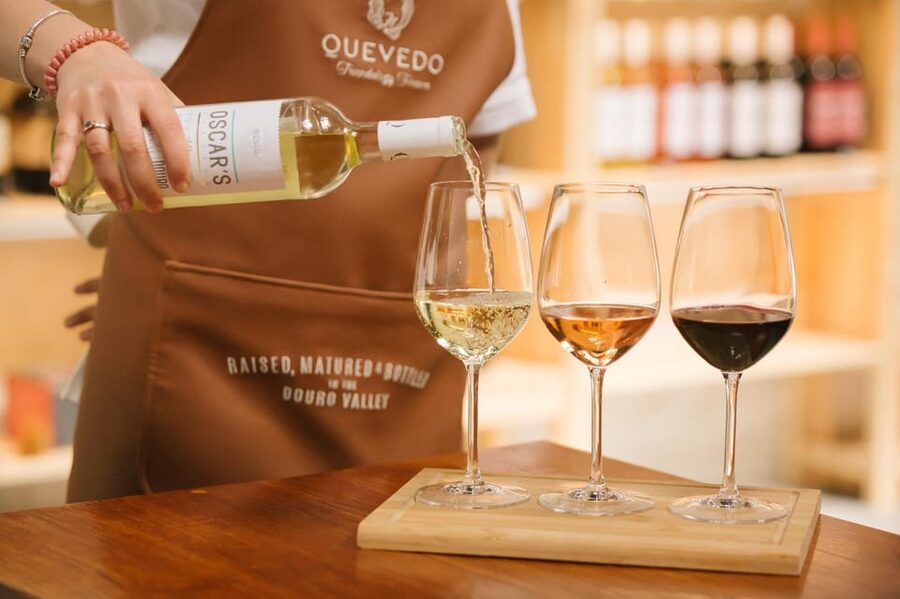
- Three Douro D.O. wines in one tasting session, Oscar’s Rosé, Oscar’s White, and Claudia’s Reserve Red
- 100 ml per still wine pour, so you can actually compare styles without getting overwhelmed
- Small group of up to 8, which makes Q and A feel natural, not rushed
- Family-run, five-generation story, including the 1993 EU bottling turning point
- Douro Valley grape origin matters, because grapes are grown and the wines are raised, matured, and bottled there
Vila Nova Nova de Gaia, and why this tasting fits Porto days
Porto is a riverfront blur of viewpoints, bridges, and wine cellars. This little stop in Vila Nova de Gaia gives you a clean break from the “walk, see, take a photo, repeat” rhythm. It’s short, about 30 minutes, and that makes it an easy add-on when you don’t want a long tour or you’re juggling dinner plans.
What I like most is that you’re not only tasting. You’re also being guided through Portuguese wine in a practical way. The tasting is centered on Douro D.O. wines, which helps you understand the style family behind Port houses, even if you came here thinking you’d only drink Port.
It also works well if you’re new to Portuguese wine. You’ll get a structured introduction, and you can ask basic questions without feeling like you’re holding up a class. The goal is straightforward, three glasses, three choices, and a clear explanation of what makes them part of the Douro story.
The Douro keeps unfolding past this stretch of river: terraced hills, quinta cellars, and villages worth the detour.
- From Porto: Douro Valley w/ Boat Tour, Wine Tasting & Lunch★ 4.7 · 19,061 reviews
- Complete Douro Valley Wine Tour with Lunch, Wine Tastings and River Cruise★ 5.0 · 12,920 reviews
- Porto: Douro Valley with Winery Lunch, Tastings & Cruise★ 4.7 · 7,002 reviews
Quevedo Port Wine meeting point and the lodge vibe
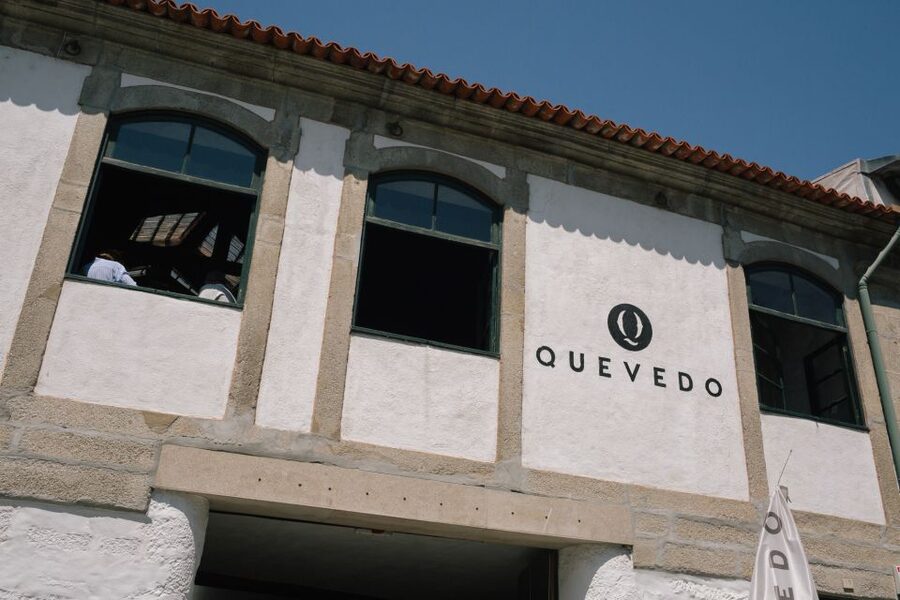
You meet at Quevedo Port Wine. The most reliable move is to go in and ask the local staff at the site, then follow them to the tasting area. This matters because Porto wine zones can feel like a maze, and you don’t want to lose time before the 30-minute clock starts.
Inside, the tone is designed to feel comfortable. The experience is described as relaxing at a cozy lodge in the heart of Vila Nova de Gaia. In real terms, that usually means you’re not freezing outside trying to balance a glass in the wind. You get to sit, listen, taste, and get your bearings fast.
One more practical detail: it’s a small group limited to 8 participants. That’s not just a comfort perk. It’s what allows staff to slow down and connect the wine to the grower story. If you’ve ever been stuck in a big group where you taste and then sprint away, this setup is the opposite.
The three wines you taste, what to focus on during Oscar’s Rosé, Oscar’s White, and Claudia’s Reserve Red
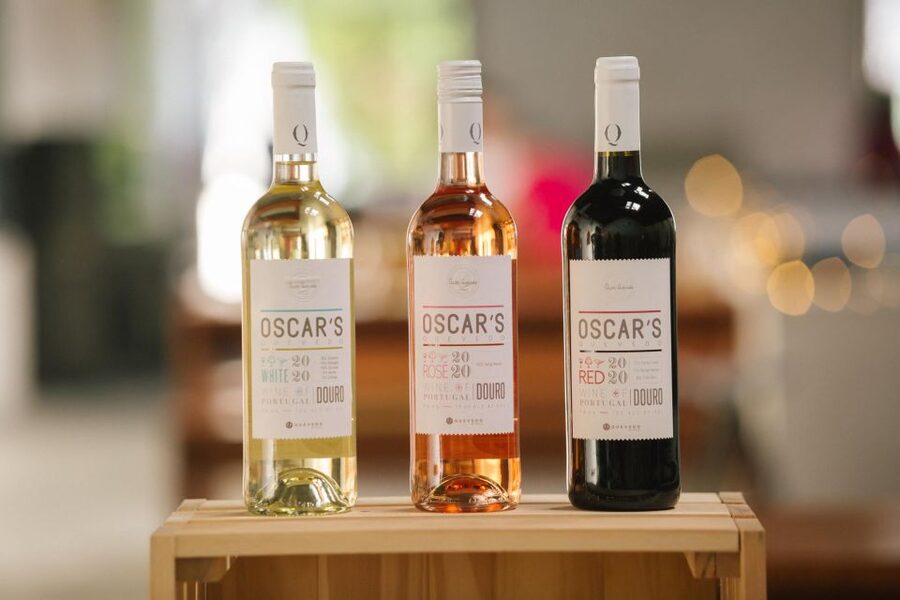
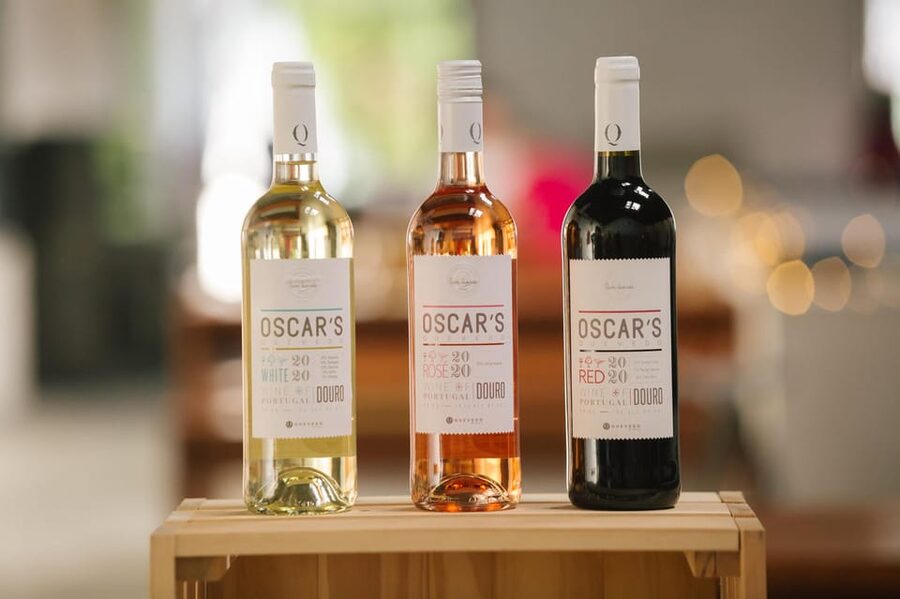
This tasting is built around three specific bottles, and the point is comparison. You’ll receive three glasses of still wine, each 100 ml. The lineup is:
- Oscar’s Rosé
- Oscar’s White
- Claudia’s Reserve Red
Because you’re tasting three categories back to back, your job is simple. Don’t try to “win” the tasting. Instead, pay attention to how each wine behaves in your mouth and nose. Ask yourself what feels lighter or heavier. Notice how the white and rosé handle aroma compared with the reserve red.
Also, since the tasting is still wine only, you’ll likely come away with a better sense of what Douro D.O. means beyond the Port label. That is useful if you’re planning to drink more later, because Port can blur into everything if you don’t anchor your understanding.
And yes, it’s quick. So go in with a strategy. You’ll enjoy it more if you pick two questions in advance, something like:
- What makes this style Douro D.O.?
- How does vineyard origin show up in the glass?
A short tasting is only “short” if you sit silently. Use the time.
The five-generation family story and the 1993 EU bottling shift
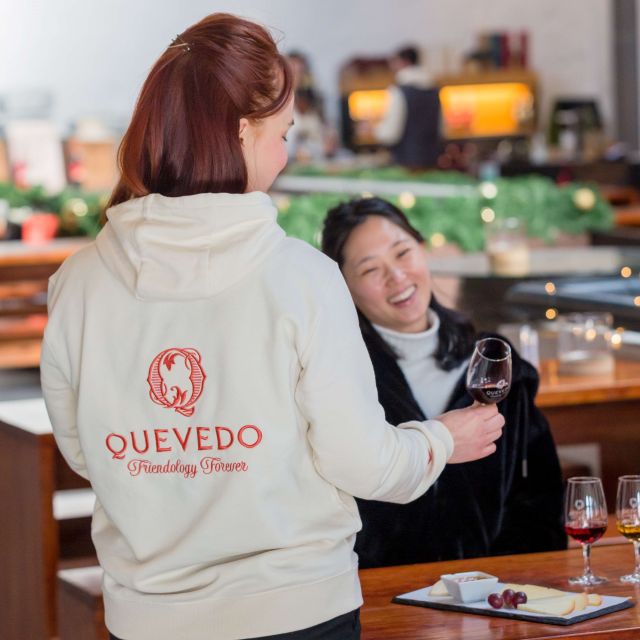
This is where the tasting becomes more than just three pours. The family behind the house has been crafting wine for five generations. That kind of continuity matters in Portugal, because wine isn’t just a product, it’s a long-running craft system with habits, tools, and decisions passed down.
They also highlight a major turning point: Portugal’s entry into the EU in 1993. That’s when they were finally able to bottle Port under their own brand. Put simply, this helps explain why their Port business is newer as a brand in the Douro region, even though the work behind it is deeply traditional.
For you, this story is valuable because it frames the wines in real-world business terms. Winemaking is one thing. Building a label and controlling your bottling is another. In a short experience like this, tying the wines to that specific 1993 moment gives you context you can carry into your next cellar visit.
It also helps you avoid the common trap of thinking all Port brands are equally “old.” You can appreciate craft legacy, while still recognizing how regulations and markets shaped who could bottle under their own name.
Still working out the rest of your Douro trip? Start here.
- Porto: 6 Bridges Douro River Cruise
★ 4.3 · 6,472 reviews - Porto: Guided Tour by Tuk-Tuk & Optional Douro River Cruise
★ 4.5 · 5,980 reviews - Douro Valley: Historical Sites, Wine Experience, Lunch & Cruise
★ 5.0 · 5,133 reviews - Authentic Small Group Douro Wine Tour with Lunch & River Cruise
★ 5.0 · 4,775 reviews
Why Douro Valley grape origin drives everything they do
Here’s the practical heart of the experience: they emphasize that grapes’ origin is crucial, and that their wines are raised, matured, and bottled in the Douro Valley. That means you’re not hearing a generic speech about terroir. You’re getting the message that the Douro Valley is part of the workflow, not just a marketing line.
The details get specific. The family cultivates 100 hectares of vineyards and 25 hectares of organic olive groves across five properties in the Douro valley. That matters because diversity can influence the grapes they bring in, and that affects aromas and flavors in the final bottles.
Even if you’re not a wine nerd, you can use this information while you taste. When they explain how their grapes come from multiple properties, it gives your palate something to map. You might find yourself thinking, okay, this is not a single-note vineyard story. It’s a broader selection.
Also, the organic olive groves angle is a reminder that the farm is bigger than vines. It’s part of the same landscape of cultivation decisions, even if olives and wine grapes are obviously different crops. It reinforces that they see farming as a system, not a single-row trick.
What you actually learn in 30 minutes, even if you are starting from scratch
At 30 minutes, you’re not signing up for a seminar. You’re signing up for a guided taste that gives you a mental framework. That’s the real payoff.
You’ll learn Portuguese wine basics through the lens of Douro D.O., which is a strong entry point because Portugal uses categories that can feel confusing if you only encounter them as labels in shops. Here, you can connect the category to a person and a place: family, parcels, Douro farming, and then the three wine styles you try.
You also get practice asking the right questions. The staff are described as friendly and passionate, and the small group format backs that up. A short tasting is your best chance to ask:
- How do you decide when to call a wine rosé versus something else?
- How would you explain Douro D.O. to a friend who only knows Port?
In your next Portuguese wine stop, you’ll probably recognize their talking points faster. That’s the quiet value of this kind of experience, it trains your eye and nose for what to notice, instead of leaving you with only a vague memory of tastes.
Guides and the human factor: Dima and Fernando made it memorable
Two review names stood out because they matched the “why” behind great tastings. One person called Dima the best guide, and another praised Fernando as enthusiastic and able to tell them a lot. That’s a good sign, because in wine tours, the guide is often the difference between I drank three glasses and I understood something.
If you’re booking, don’t worry about feeling out of place. The experience is set up for small group conversation, and you can ask for clarification. Also, the host or greeter is listed as Russian and English. So if either of those languages works for you, you should be able to follow the explanations without struggling.
This is also where that cozy lodge vibe helps. When you’re comfortable, you listen better. You’re not just waiting for the next pour.
Price and value for $20, three 100 ml glasses plus a story
Let’s talk value in plain terms. The price is $20 per person, and you get three glasses of still wine. Each still wine tasting is 100 ml, so you’re not getting tiny, decorative sips. You can actually notice differences.
You’re also not paying only for liquid. You’re paying for a guided comparison plus a structured explanation: five generations, the 1993 EU bottling shift, and the Douro Valley farming setup with 100 hectares of vineyards and organic olive groves.
Could you buy a bottle and taste it at your own pace? Sure. But that’s not the same experience. Here, you get a translator between farm-to-bottle and what you experience in the glass. That can save you money later, because it helps you choose better what to buy and what to skip.
At $20 for 30 minutes, this is an easy “yes” if you want a short, high-information stop before you move on to other Porto and Gaia activities. It’s not a long, deep educational program. But it’s a strong primer, especially if Portuguese wine is still new to you.
Making the most of your visit at Quevedo Port Wine, including the light show note
Since your meeting point is Quevedo Port Wine, you’re already in the right place for extra things during your visit window. One reviewer specifically mentioned a light show at Quevedo Port Wine and said it was great, with the practical warning that entry can mean waiting outside in heavy rain.
I’d use that information like this: if you have time before or after your tasting, check whether there’s a show scheduled. If weather looks messy, plan for it. Bring a rain layer and keep your schedule flexible so you’re not rushing in soaked while trying to catch a start time.
This kind of added activity can make the whole trip feel more “Porto night-life” and less “only daytime cellar runs.” The tasting itself is the main event, but Quevedo can be a convenient base.
Who this Douro Discovery tasting suits best
This experience is a great fit for adults who want a compact, guided introduction to Douro D.O. wines without committing to a long tour. It’s also a good choice if you’re traveling with a small group, because it’s limited to 8 participants.
You might love it most if:
- you want to compare rosé, white, and reserve red in one seated session
- you enjoy stories about how Port houses evolved after regulations and EU changes
- you like learning how vineyard decisions relate to what ends up in your glass
There are a couple of clear limitations. It’s not suitable for pregnant women, and it’s not suitable for children under 18. If that applies to your group, look for another option that matches your needs.
Also, if you’re someone who needs snacks with alcohol, eat first. No snacks are included.
Should you book Vila Nova de Gaia: Douro Discovery?
Book it if you want a short, focused tasting with real context, not a marathon tour. For $20, you get three 100 ml glasses of Douro D.O. still wine, plus a guided story that connects five generations of wine work, the 1993 EU bottling shift, and the Douro Valley farming behind the bottles.
Skip it if you need a longer education session, or if you strongly prefer tastings that come with food. Also skip if your group includes anyone who falls outside the listed suitability.
If your Porto plan includes wine cellars and viewpoints but you want one smart, low-stress wine stop in the middle, this is a solid pick.
Just added to the valley
- Porto Douro Nature Boat Tour
★ 5.0 · 1 review - Portugal and Spain 9 Days Douro Valley River Cruise
★ 5.0 · 1 review - Private Tour in Douro, with tasting,on a Yacht for up to 5 People
★ 5.0 · 1 review - Private Douro Valley Tour Taylor Made from Porto
★ 5.0 · 1 review - Porto and Douro: Private tour in Yacht
★ 5.0 · 1 review - Private Tour 6 Bridges and Douro 2h opt. sunset, group price up to 6px
★ 5.0 · 1 review
Tours, compared.
Douro Valley w/ Boat Tour, Wine Tasting & Lunch
Read our review →
Complete Douro Valley Wine Tour with Lunch, Wine Tastings and River Cruise
Read our review →
Guided Tour by Tuk-Tuk & Optional Douro River Cruise
Read our review →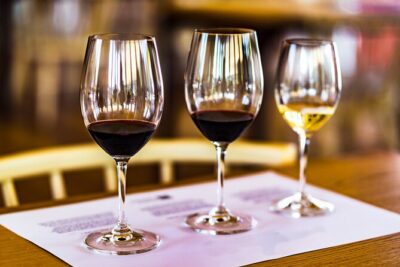
Historical Sites, Wine Experience, Lunch & Cruise
Read our review →
Authentic Small Group Douro Wine Tour with Lunch & River Cruise
Read our review →
Douro Valley Small-Group Tour with Wine Tasting, Lunch and Boat
Read our review →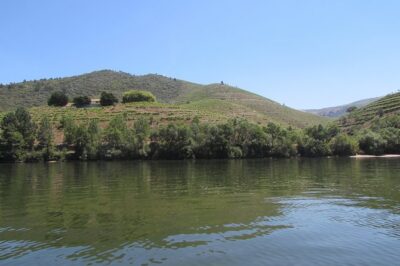
Douro Valley Tour: 2 Vineyard Visits, River Cruise, Winery Lunch
Read our review →